Accessibility Faculty Ambassadors
The SDSU Universal Design for Learning/Faculty Ambassador Program consists of faculty members who help with the following:
- Questions about how disabled students are accommodated at SDSU.
- Universal Design for Learning teaching techniques that help all student learn.
- Tips on how to make instructional materials more accessible to students with disabilities.
Each faculty ambassador has received training in disability awareness, disability etiquette, how to accommodate students, and Universal Design for Learning teaching techniques. Our faculty ambassadors are a diverse group who come from Rhetoric and Writing Studies, Biochemistry, Philosophy, Psychology, Teacher Education, Civil and Construction Engineering, Special Education, and Computer Science. Meet the Ambassadors
Meet the Ambassadors
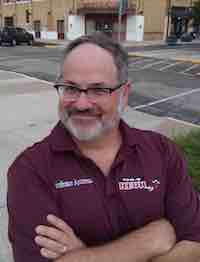
Dr. Noah Arceneaux
I've been a professor in the School of Journalism & Media Studies since Fall 2007. My area of research is media history, and I have done projects on various topics, mostly connected to radio history. I'm now the Editor for the Journal of Radio & Audio Media, and I just signed a book contract for a book on Cajun radio. I define this topic as radio stations in southwest Louisiana (maybe east Texas) that play Cajun music and sometimes broadcast in French. My family is from south Louisiana, and my last name opens doors in that area (there are hundreds of people in Louisiana with my last name.)
How I Support Student Learning: I teach a very large online class, Intro to Mass Comm, and it is growing every semester. I rely heavily on my sense of humor to create compelling video lectures on each textbook chapter, sometimes two per week. I also make weekly videos on current events, and I draw comments from PackBack (the discussion board tool.) Students say they find my lectures enjoyable, and will even show them to friends or roommates.
For the videos, I post lecture notes in advance with all the relevant bullet points, and sometimes additional material, such as relevant web links. I think this helps all students, but especially ones who may require additional support. Additionally, I make sure all the videos (which are run through Playposit) have captions. I also collect comments from the discussion board regularly and put these in my live Zoom presentations and video lectures. To organize material on Canvas, I "over-explain" and try to put due dates everywhere, so it is abundantly clear when things are due.
[email protected]
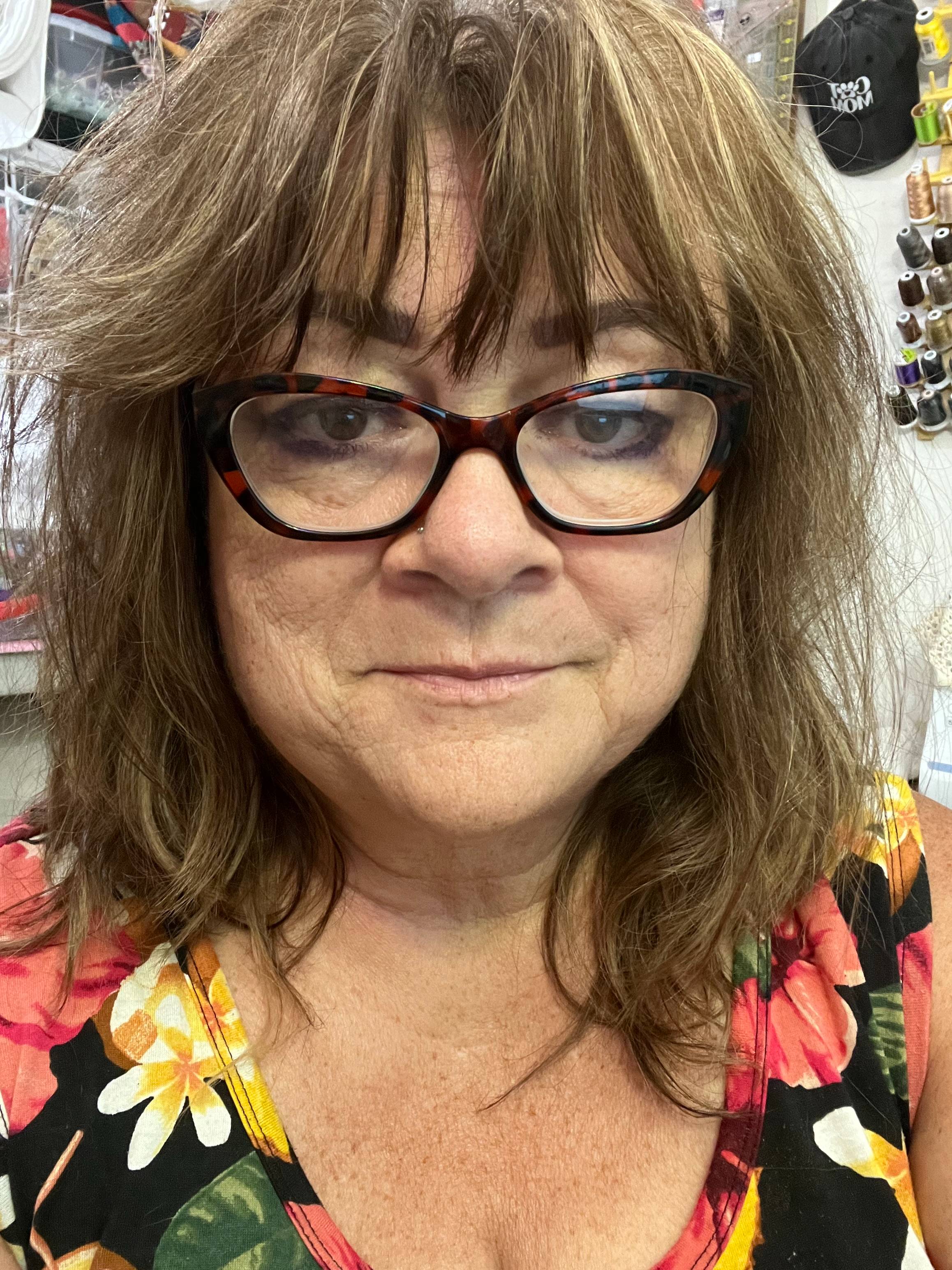
Stacy Bodus
I'm an IT Fellow, I am mentoring a student for SURP, I will be co-teaching (on a grant) math teachers how to utilize generative AI for lesson plan and activity support next summer, and I teach across disciplines: Liberal Studies/Education, Comm 103, Children's Lit, Art of Literature, RWS classes, and GEN S. I teach at the East campus, but occasionally get Mesa campus students in my lit classes when they're online. I do research on UDL and cognitive load theory, and have designed several GPTs for SDSU faculty and students to use. Topics include TPEs (general, bilingual TPEs, special ed TPEs, California K-6 State Standards, learning theory for preservice teachers, and others. Note: You must be signed into your SDSU GPT account to use these.
I support my students with video instruction, app integrations such as Playposit and Packback, and by incorporating student voice into discussions, among other things.
For example, our text in LIBS 300 for preservice teachers is on differentiation. I assign 4-student teams to lead a discussion on one chapter, and I require them to use a strategy from Joyful Learning: Active and Collaborative Strategies for Inclusive Classrooms by Alice Udvari-Solner, Paula M. Kluth
[email protected]
William Eger
[email protected]
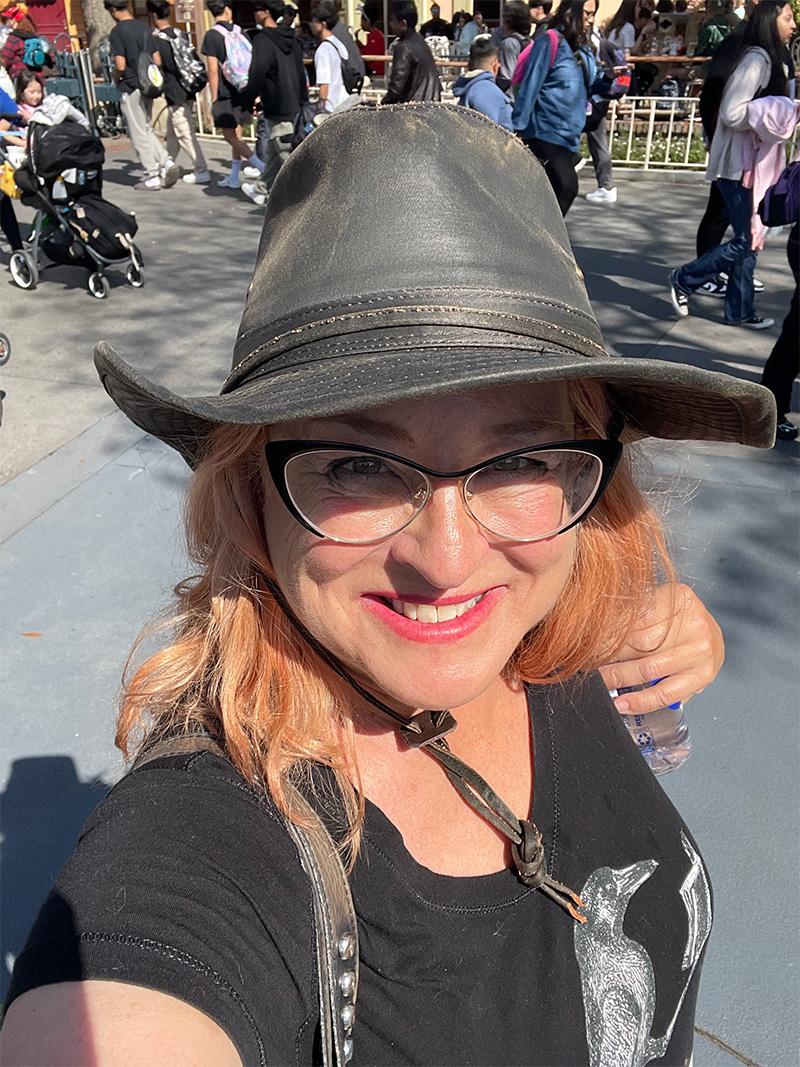
Dr. Angela Feres
[email protected]
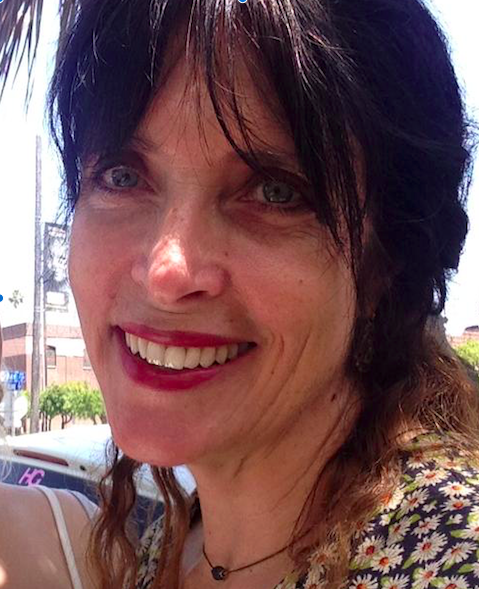
Dr. Edith Frampton
Edith Frampton, Ph.D. (she/her) welcomes students of all cultures, races, belief systems, abilities, educational backgrounds, ages, and socio-economic levels into her classes at SDSU, where she has taught in the Department of English and Comparative Literature since 2000. Her teaching reflects the fact that she believes in inclusivity, equity, and social justice for all. For these reasons, she is honored to serve as an SDSU Faculty Accessibility Ambassador.
Dr. Frampton has expertise in dramatic literature and theatre practices, including Shakespeare in performance, and she has also researched and published on twentieth-century Anglophone women’s writing and cultural discourses around gendered bodies. She is the recipient of multiple teaching awards, including a College of Arts and Letters Excellence in Teaching Award, a College of Arts and Letters Outstanding Faculty Member Award, four Department of English and Comparative Literature Outstanding Faculty Awards, and two Pitt and Virginia Warner Innovation Awards. She has presented her research at numerous international conferences and has multiple publications. As an advocate of outreach to the community and pre-professional training for literature majors, she has overseen the Mingei Book Club for the Mingei International Museum in San Diego’s Balboa Park and has co-directed the Shakespeare & Co. Drama Lab, working with San Diego’s Cygnet Theatre, Old Globe Theatre, and Junior Theatre.
[email protected]
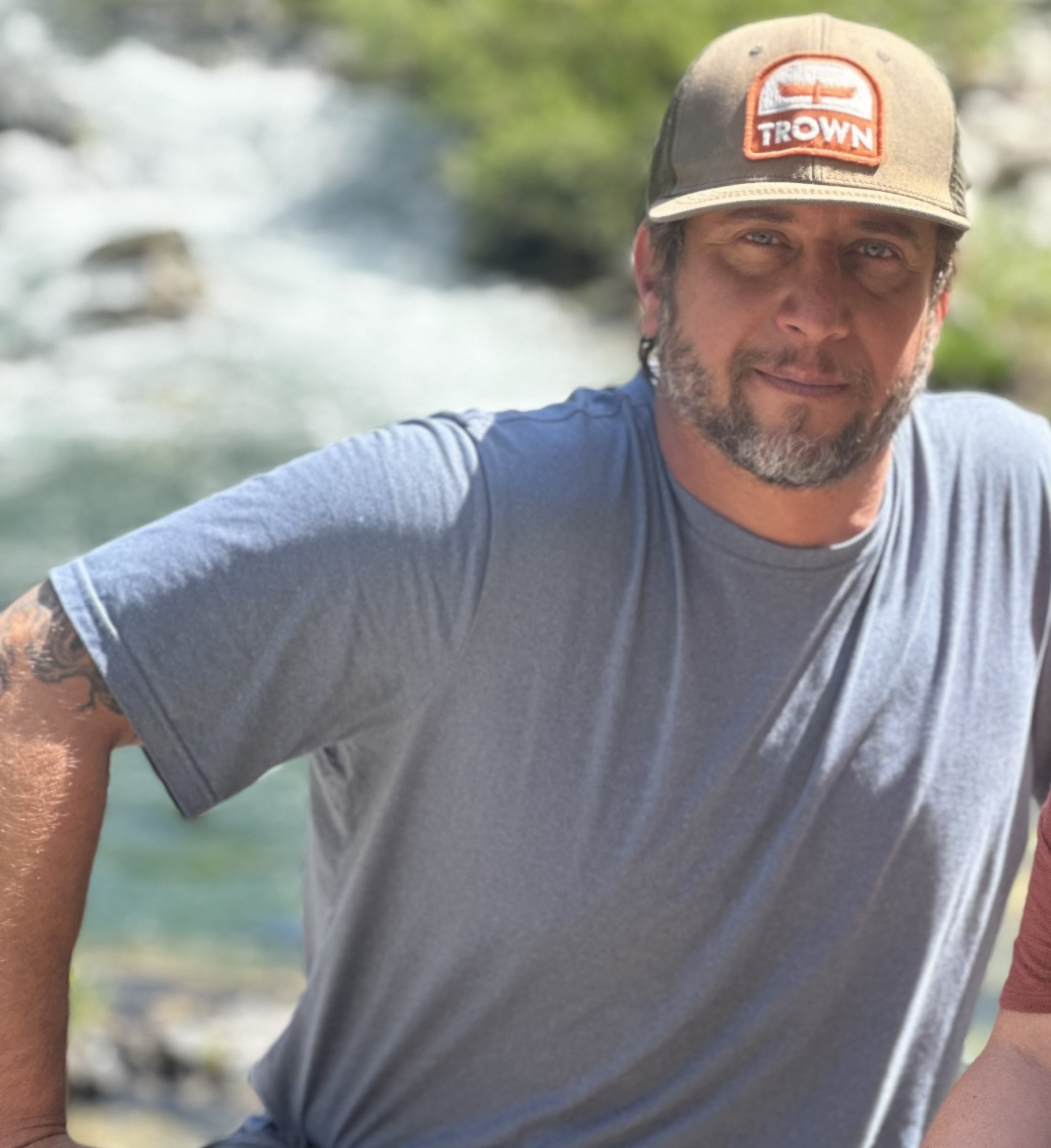
Sam Kobari
Sam Kobari is a lecturer in the Department of Anthropology and teaches several classes but mainly teach a large asynchronous online class called Human Bio-Cultural Origins. Sam is also a part of the Surf Skate Studies Collaborative at SDSU.
Sam is very passionate about student learning and student success. Sam absolutely loves being a teacher at SDSU and works to make sure all aspects of his class are accessible and welcoming.
Sam was recently diagnosed with ADHD - a previously unknown diagnosis for Sam, who says, “Explains so much in my life!” He mentions that some students may have disability that is undiagnosed, undocumented, or hidden. Having accessible, universally designed instruction helps all students learn.
[email protected]
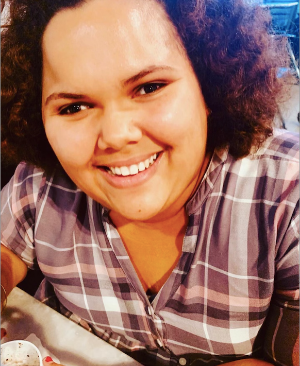
India Kaltsas-West
India Kaltsas-West was a student at SDSU and is now a staff member working in SDSU’s Accessible Technology Office.
India was diagnosed with a brain tumor at four years old, which led to her losing her vision and experiencing the world through sound, touch, smell, and taste as well as her intuition.
At SDSU, India works on critiquing and analyzing the different websites that students use at the school, making sure they are ADA compliant and are easy access for screen-reader users. She helps with analyzing course curriculum to ensure that it is accessible to all students. Being able to support student learning at SDSU has been very valuable to her because she feels like she is shaping the future for incoming students by showing them that they do have a voice, and that they can be successful.
[email protected]
Nensi Lakrori
[email protected]
Dr. Mark Laumakis
[email protected]
Cali Linfor
Cali Linfor was a Lecturer in Rhetoric and Writing Studies. In addition to teaching composition, creative writing, critical reading and thinking, and rhetoric, Cali dedicated most of her professional life to the fight for educational equity, including UDL and disability justice in her own classroom as well as across educational segments. She was a member of SDSU’s Pride and Disability ERGs. Cali passed away during the summer of 2025.
Dr. John Love
[email protected]
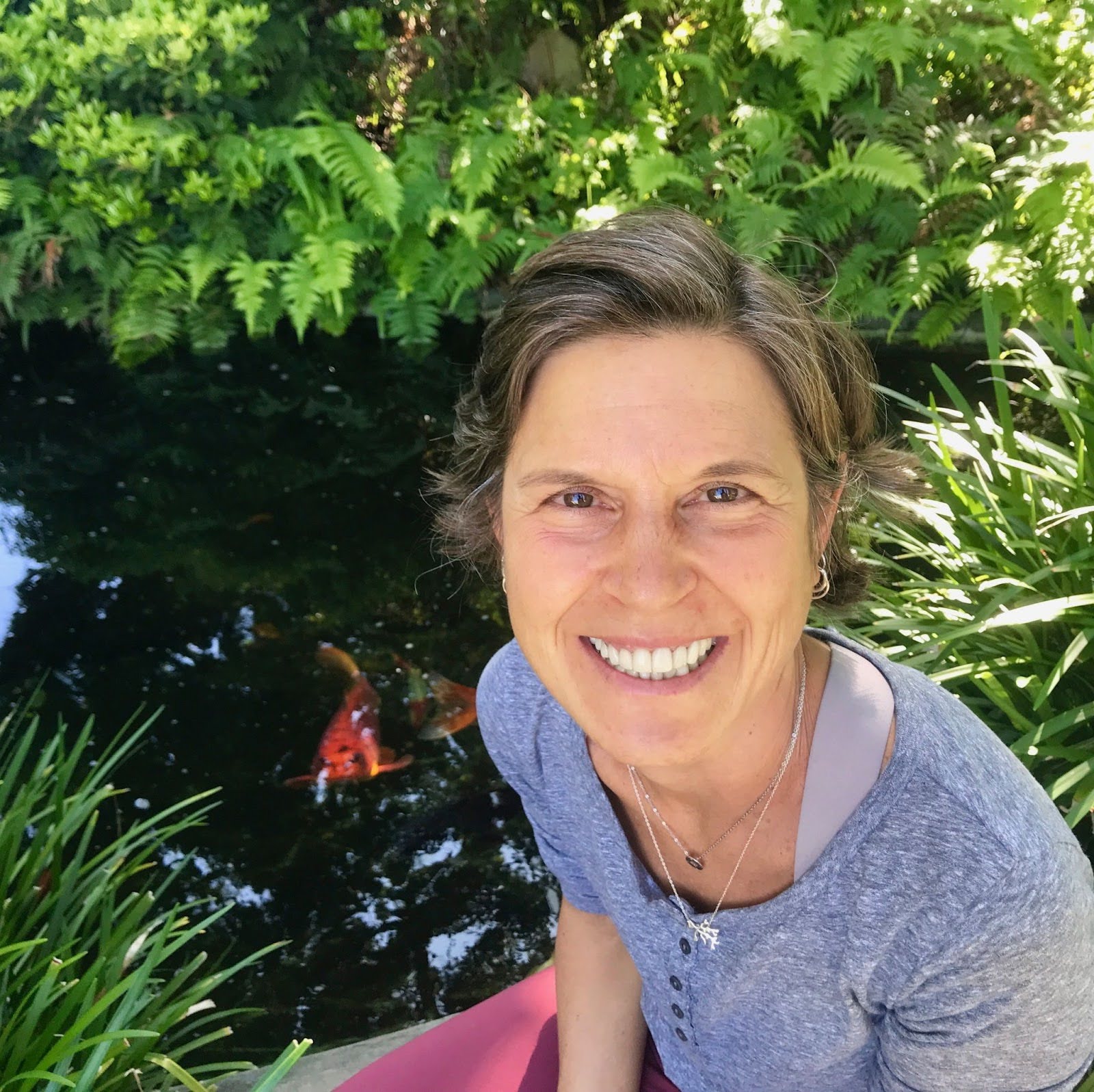
Lisa Marun
Lisa Marun is a research specialist at SDSU Research Foundation. She has worked in the environmental arena for over 20 years doing research and outreach in the areas of habitat and species conservation, climate science, and environmental justice, and is an active volunteer and citizen science organizer.
Lisa's drive to be an accessibility ambassador in all areas of her life began with an early-career position that involved assisting a student with a severe form of cerebral palsy for seven years. She developed a hyper-sensitivity to others' different (and not always obvious or even diagnosed) ways of encountering, perceiving, and navigating the world, and a desire to be a source of support, advocacy, and friendship where needed.
[email protected]
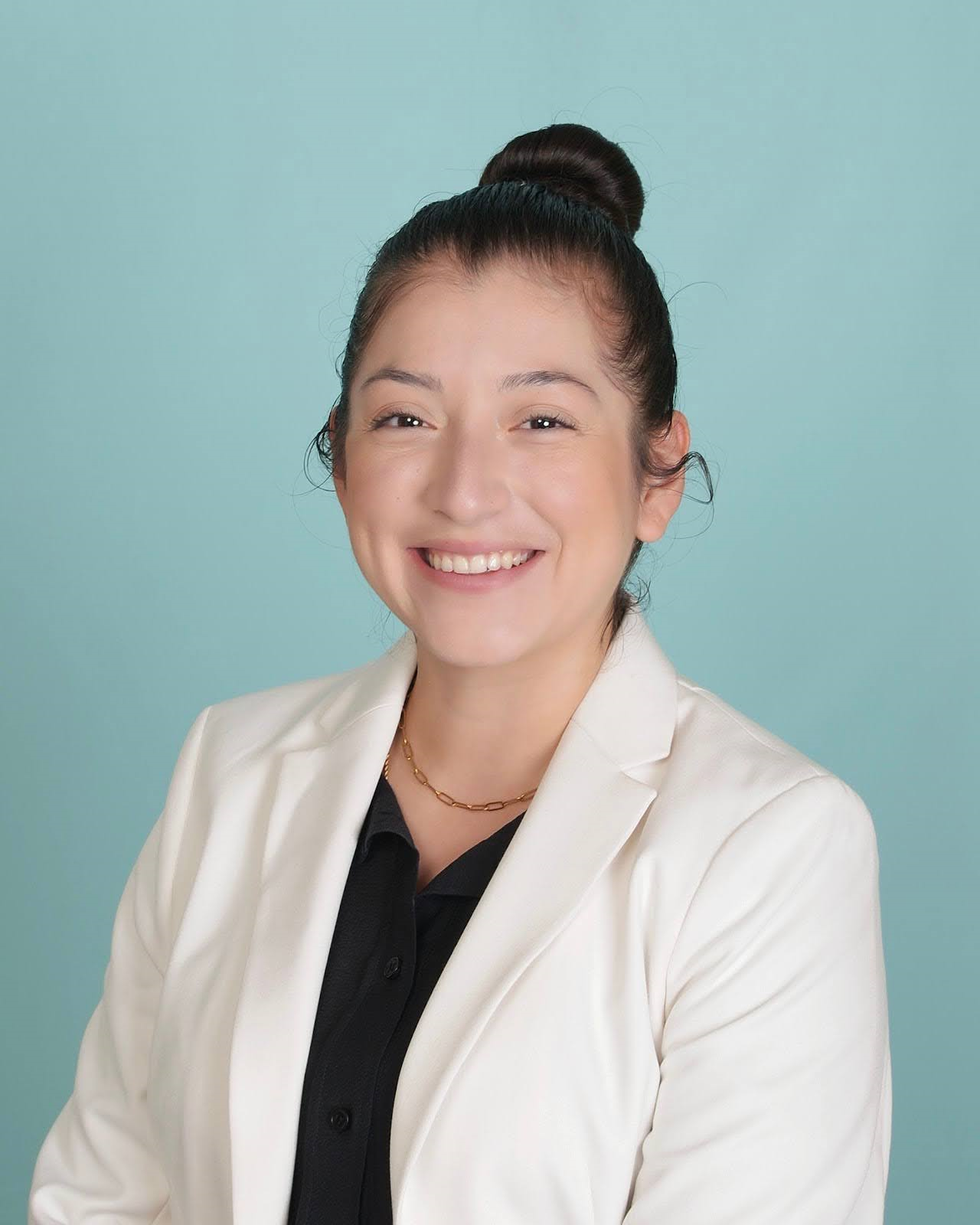
Tania Mejia-O'Donnell
[email protected]
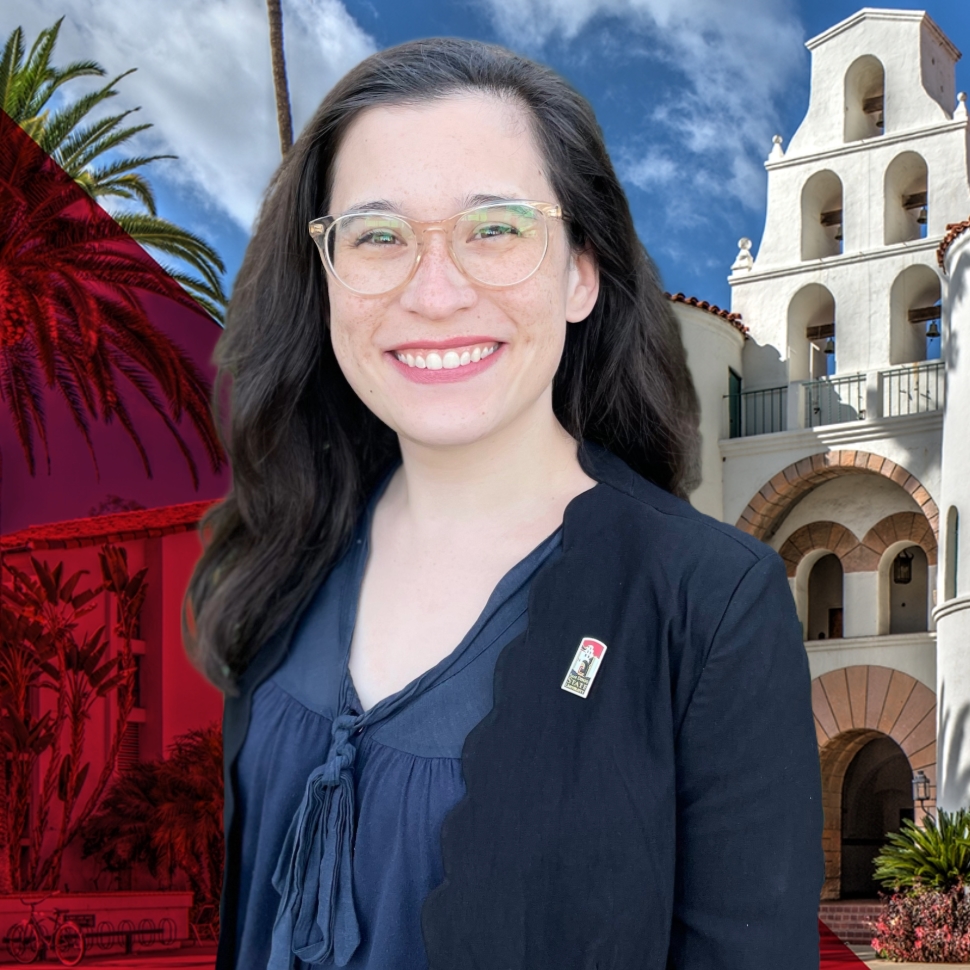
Dr. Alanna Peebles
[email protected]
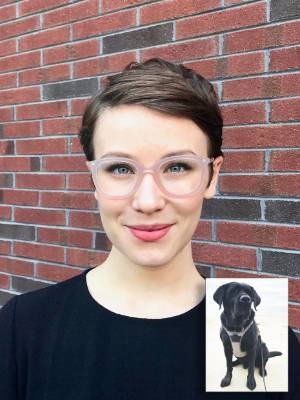
Dr. Kylie Sago
Dr. Kylie Sago (Pictured here with Albert) is an Assistant Professor of French. Her research and teaching centers on the culture of the French-speaking world with a focus on the histories and legacies of the French empire. Dr. Sago teaches courses ranging from Intermediate French to graduate-level courses based on her research.
Dr. Sago also volunteered for Guiding Eyes for the Blind as a puppy raiser, which was a wonderful experience that she wholeheartedly recommends. Her service for Guiding Eyes informs her work by aiding in the cultivation of accessible practices in teaching and research. In her teaching, she uses digital materials to offer financially feasible courses and engage students in active learning. The principles of Universal Design help her to make sure instructional materials are accessible, and that she implements best practices in second-language pedagogy. Dr. Sago also works to make research in her discipline more accessible to all.
[email protected]
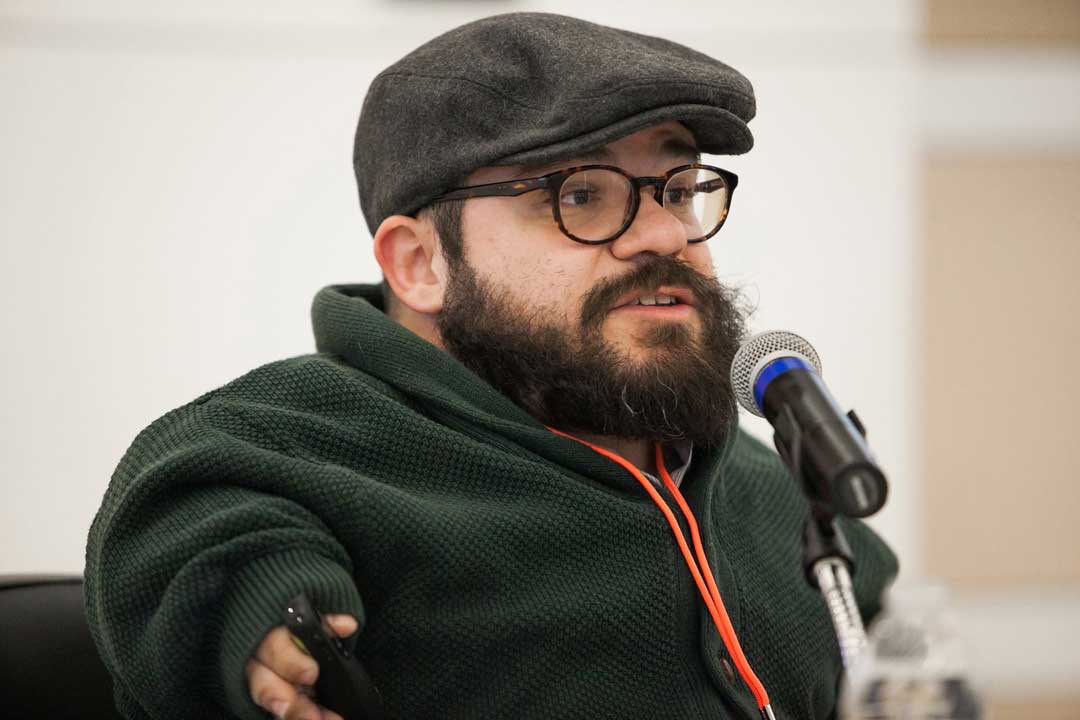
Dr. Joseph Stramondo
[email protected]
Dr. Melissa Soto
[email protected]
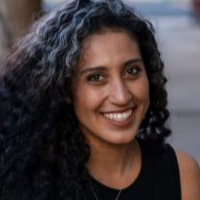
Rachel Schlesinger
[email protected]
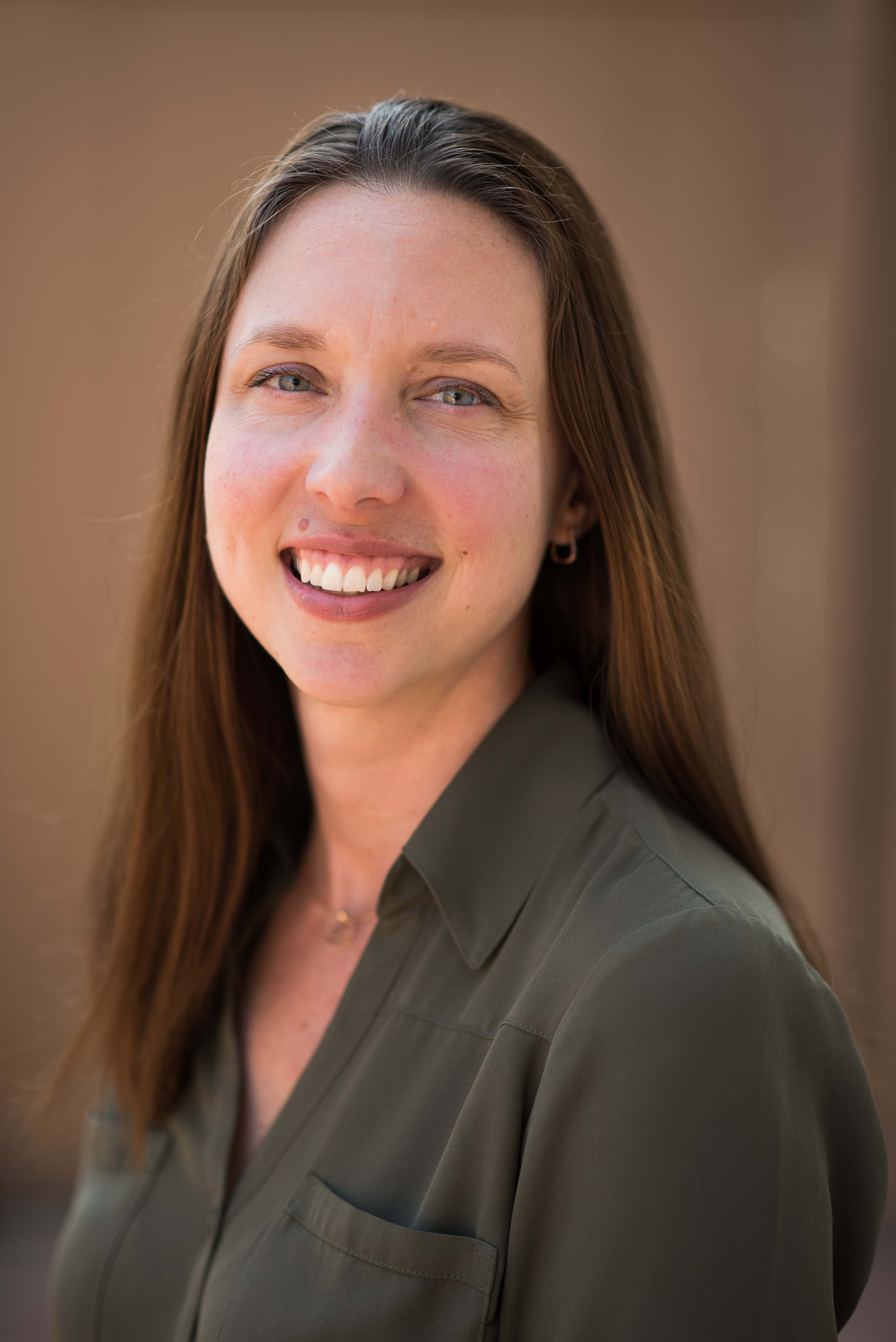
Dr. Allison Vaughn
[email protected]
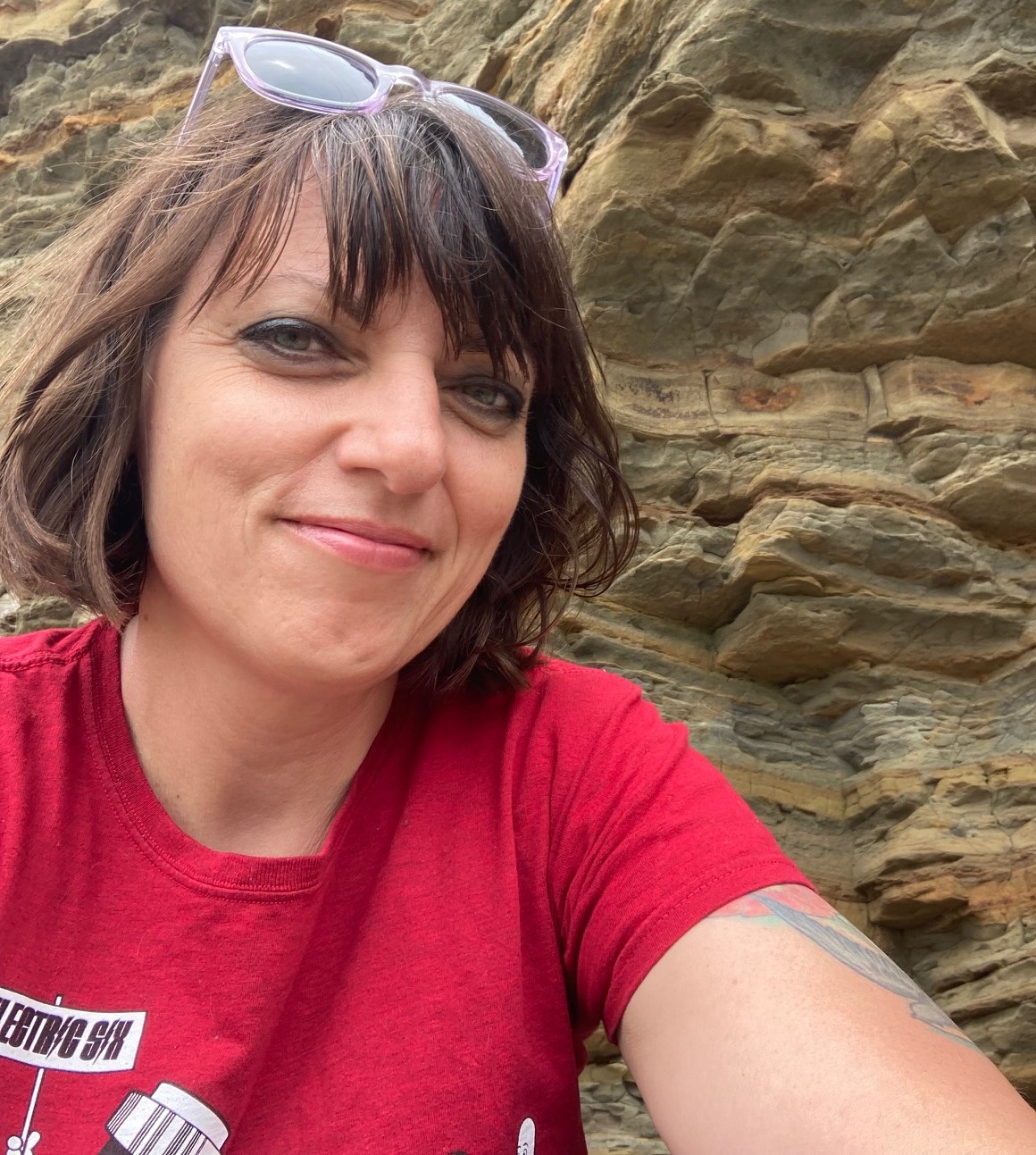
Stacy Warner
[email protected]
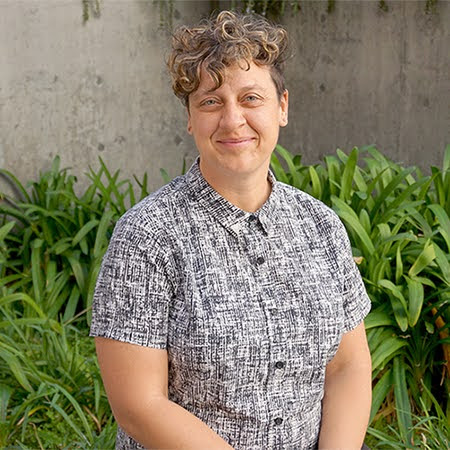
Dr. Jess Whatcott
Dr. Jess Whatcott is an interdisciplinary scholar in Women's Studies, their work critically examines state violence, including the carceral/prison industrial complex and state-sponsored eugenics. Their research and teaching are grounded in critical disability studies, critical prison studies, and queer studies, and they are dedicated to feminist abolition and disability justice.
[email protected]
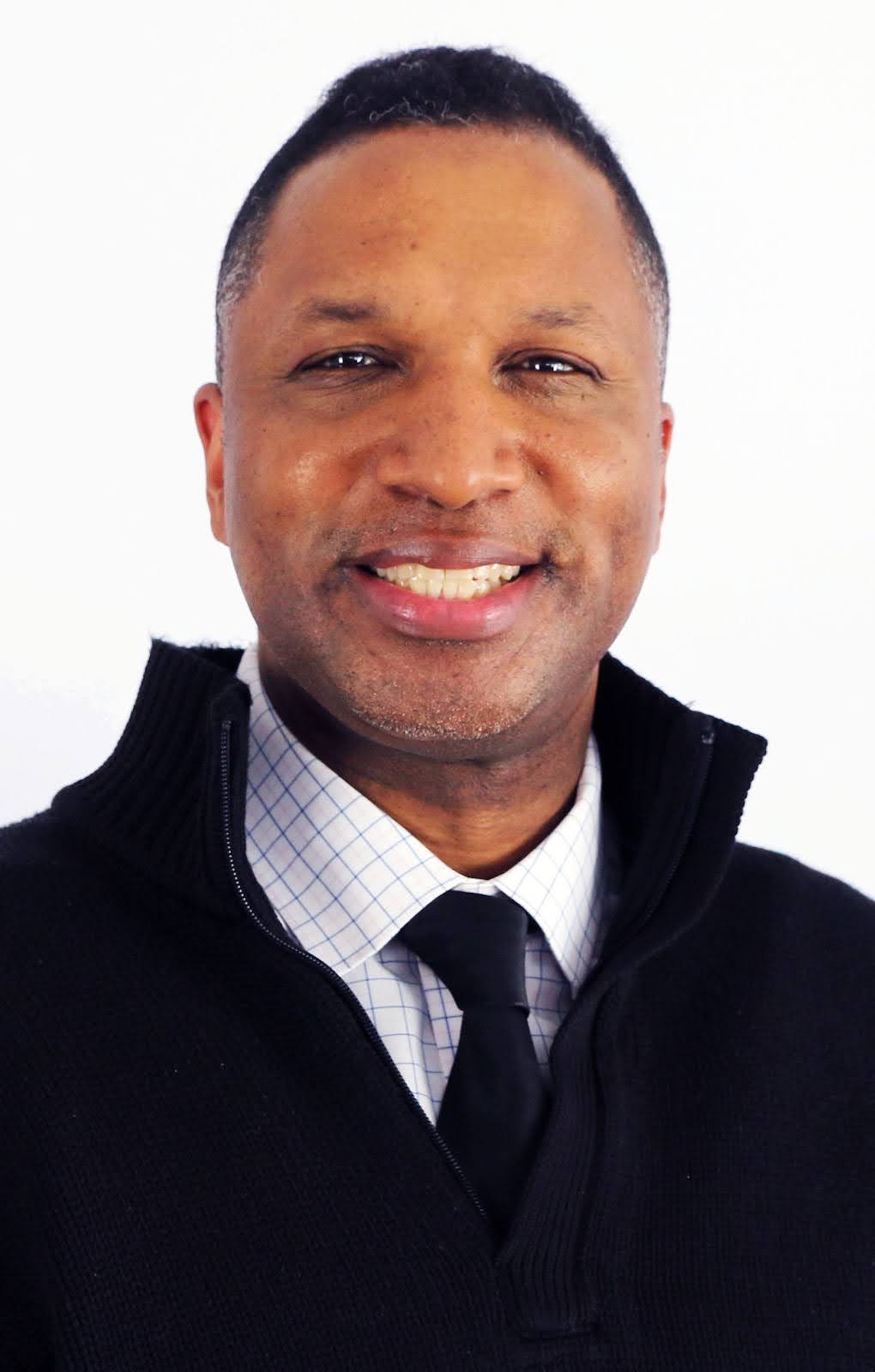
Dr. Roy Whitaker
[email protected]
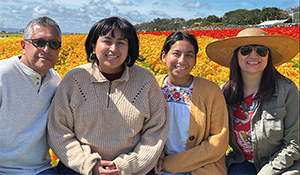
Laura Angel-Zavala
Laura Angel-Zavala (far right) is a lecturer and Math First equity advisor for Faculty Advancement and Student Success. Laura teaches General Studies 150 - Building Your Future Self for Success in College and Beyond and absolutely loves teaching! Laura has also taught the BA 100 first year seminar course and next year hopes to teach GEN S 280 - Introduction to Civic Engagement.
As someone who benefitted from Student Disability Services when she was an SDSU student, Laura wants to learn as much as she can about the services that exist now for disabled students, and wants to do the best to make sure all instructors know about how they can support their students' learning in the classroom.
[email protected]